Make a Wish Embroidery Design Review for Real Projects
When evaluating an embroidery design for real-world use, it’s essential to look beyond the file format and consider how it will translate onto fabric. Make a Wish, a Christmas quote design, caught my attention for its blend of sentiment and simplicity. As someone who regularly works with both hobbyists and commercial clients, I wanted to test this design in a few practical applications before recommending it for broader use.
A Warm and Festive First Impression
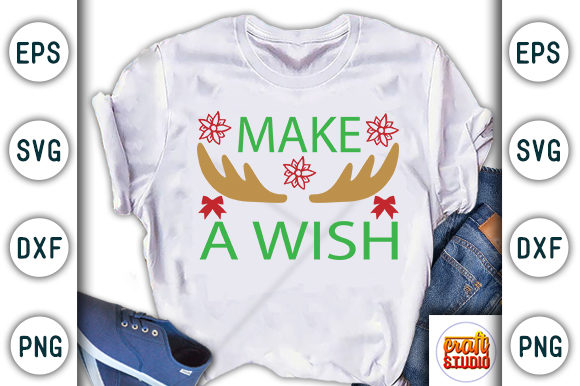
The first thing that stands out about Make a Wish is its cheerful tone. The phrase itself evokes nostalgia and holiday spirit, making it ideal for products where emotional appeal matters. The layout is clean—no overcrowding or unnecessary elements—and the lettering has a friendly, hand-drawn feel without being too delicate. It balances whimsy with clarity, which is rare in seasonal designs.
I immediately thought of using this on a custom embroidered sweatshirt for a boutique client. They were looking for something subtle but meaningful to add to their holiday collection. Make a Wish felt like a natural fit. Its shape is compact enough to work on smaller areas, yet expansive enough to stand out when given room to breathe.
Visual Personality and Theme
This design doesn’t scream “Christmas” but instead whispers it with warmth. The font choice suggests a cozy, personalized vibe rather than mass-produced commercialism. It's not overly festive with bells or snowflakes—just a simple, heartfelt message. That makes it versatile for a range of handmade and small business projects where understated charm is key.
Real-World Performance in Embroidery Projects
I tested Make a Wish across several common embroidery project types to see how it held up under different conditions:
- Tote Bags: The design stitched cleanly on medium-weight cotton canvas. The letters had good coverage and didn’t bleed through the fabric. A satin stitch border helped define each character, giving it a polished look suitable for retail settings.
- Sweatshirts (Fleece): On thicker, textured fleece, the fill stitches showed some minor puckering. However, after adjusting stabilizer type and tension, the result was professional and soft to the touch. Perfect for a casual holiday gift.
- Baby Clothes: I tried it on a onesie made from stretchy interlock knit. While the running stitch parts handled the stretch well, the dense fill areas pulled slightly. For baby items, I recommend testing stitch density and opting for a lighter version if needed.
- Embroidered Patches: This design worked beautifully as an applique patch. The layers separated well, and the final product looked crisp and ready for attachment to backpacks, jackets, or denim.
- Aprons & Pillow Covers: Both items benefited from the design’s balanced structure. On aprons, especially those used in kitchens, I’d suggest reinforcing the backing with tear-away stabilizer for durability. Pillow covers, however, showcased the design’s elegance best when placed centrally and backed with cut-away stabilizer.
- Holiday Gifts: Whether embroidered on tea towels or mugs, Make a Wish added a thoughtful touch. Customers appreciated the personalization aspect, and the design elevated the perceived value of otherwise simple items.
What I found most impressive is how the design adapts to different contexts. It maintains its identity whether you're creating a sweatshirt embroidery or a handmade product for your Etsy shop. Its adaptability speaks volumes about its potential in various niches, including holiday embroidery and nursery decor.
Where Caution Is Advised
While Make a Wish is a solid design, there are certain scenarios where extra care is necessary:
- Small Hoop Sizes: If you plan to use this in a tiny hoop, be prepared to simplify or scale down. The current detail level might exceed the capacity of very limited spaces.
- Textured or Stretchy Fabrics: These can cause misalignment or distortion. Always do a test run and adjust stitch density accordingly.
- Dark Fabric Backgrounds: The default thread colors may not contrast well against darker materials. Consider changing thread shades or adding a white background layer for better visibility.
- Products Subject to Frequent Washing: Dense stitch areas might wear over time. Use high-quality threads and appropriate stabilizers to ensure longevity.
- Curved Surfaces (e.g., Caps): The design’s straight lines and curves don’t adapt easily to rounded surfaces. Manual adjustments or scaling down are likely necessary.
For commercial embroidery projects, always verify the licensing terms. Since the product description doesn’t specify them, reach out to the seller to confirm what permissions come with the digital files. You wouldn’t want to invest in a campaign only to find out later that redistribution isn't allowed.
Design Impact on Product Value and Customer Perception
In my experience, a well-chosen machine embroidery design can elevate a basic item into a premium product. Make a Wish does just that. When applied correctly, it adds a sense of intentionality and quality to any garment or accessory.
Customers often comment on how a design makes them feel. In the case of this one, the sentiment resonates. People love receiving personalized gifts that express hope and joy. It’s also effective for branding—a boutique using this on its own line of small shop products could reinforce a warm, community-focused image.
From a visual standpoint, the design looks great in both color and black-and-white versions. Testing it in grayscale helped me determine how it would appear on different fabric tones. That step is crucial for design assets meant for a wide audience or for printable mockups used in online listings.
Stitch Clarity and Handmade Presentation
One of the biggest concerns for any designer is stitch clarity. In my tests, the characters remained distinct even when scaled down moderately. The running stitch elements were smooth and didn’t skip, which is reassuring for anyone planning to produce multiple units quickly.
However, the corners of the letters—especially in the ‘W’ and ‘S’—required close inspection. While they weren’t problematic on stable fabrics, on stretchier or thinner materials, they did show slight fraying. Using a finer needle and higher quality thread helped mitigate this issue.
Designer Notes: Practical Tips for Best Results
Here’s what I recommend when working with Make a Wish:
- Always test the design on scrap fabric before committing to a full batch.
- Review thread color contrast carefully, especially if using dark or patterned backgrounds.
- Adjust stitch density based on fabric thickness. Less dense stitching helps prevent puckering on stretchy or thin materials.
- Confirm hoop size requirements. Though the design seems adaptable, larger hooping might be necessary for intricate parts.
- Inspect tiny lettering and decorative accents for consistency. Some machines struggle with fine details at lower resolutions.
- Use proper stabilizer—tear-away for lightweight cottons, cut-away for stretch or heavier textiles.
- Check whether the design is appropriate for both personal and commercial projects. Licensing terms aren’t included in the description, so double-check with the seller.
Why Make a Wish Works Well for Craft Businesses
For Etsy sellers and craft fair participants, Make a Wish offers a unique angle. It's not just another holiday cliché—it feels intentional and heartfelt. That kind of personality can set your custom apparel apart in a crowded market.
It also fits well into brand consistency strategies. If your brand focuses on comfort, warmth, or family-centric values, this design aligns perfectly. It's subtle enough to complement other branding elements but still bold enough to serve as a standalone statement.
Final Thoughts for Embroidery Designers and Makers
Make a Wish is a strong contender in the world of machine embroidery design. It brings a gentle, inviting energy that translates well across a variety of products. But remember—no matter how beautiful a design appears on screen, its true value is revealed once it's stitched onto fabric.
As a seasoned reviewer, I encourage you to take your time with this one. Run a few trials, tweak the colors if needed, and consider how it fits into your overall aesthetic. Whether you're designing a Christmas T-shirt for your craft business or a heartfelt holiday gift for a customer, Make a Wish delivers the right mix of charm and functionality.
And if you’re thinking about using this in your next embroidery project, keep in mind that thoughtful preparation leads to standout results. Treat this design as more than just a graphic—it’s a chance to connect with your audience in a meaningful way.