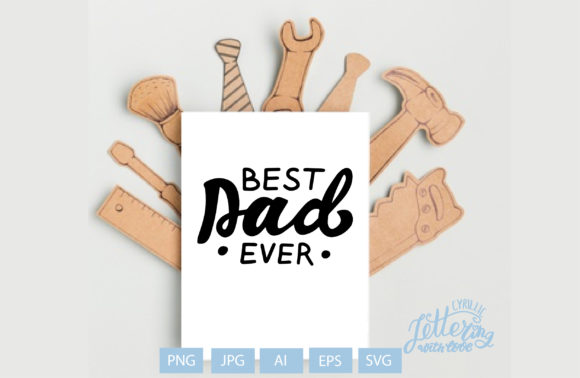
Best Dad Ever Embroidery Review
As a designer who spends more time than I care to admit staring at stitch charts and testing thread tension, I don’t just look at an embroidery design; I look at its potential in the real world. When I first pulled up Best Dad Ever. Happy Father s Day, I didn’t just see a graphic file. I saw a finished product waiting to happen. This is an Illustrations category piece that falls squarely into the Graphics type, but for those of us in the craft business, those labels matter less than how the design behaves under the needle.
I am evaluating this brush calligraphy design element not as a static image, but as a functional asset for your machine embroidery design library. Whether you are an Etsy seller, a small shop owner, or a hobbyist making a one-off gift, understanding the nuance of this file is crucial before you commit fabric to hoop.
First Impressions: Mood and Visual Personality
The immediate takeaway from Best Dad Ever. Happy Father s Day is its warmth. The hand lettering quote for International father s day gift carries a casual, affectionate tone that feels personal rather than corporate. In the crowded market of holiday merchandise, generic block fonts can feel sterile. This brush calligraphy style introduces organic movement and texture, which translates beautifully to thread.
Visually, the layout is balanced. It doesn’t scream for attention with aggressive sizing; instead, it invites a closer look. For a custom apparel decorator, this means the design has enough visual weight to stand out on a chest pocket or the back of a sweatshirt without overwhelming the garment’s natural drape. The "Happy Father s Day" greeting phrase works as a secondary accent, while "Best Dad Ever" anchors the composition. This hierarchy is smart—it gives the eye a place to rest, which increases the perceived value of the finished product.
Real-World Application: Where Does This Design Shine?
Let’s talk about practical use cases. I often find that designs fail because they are applied to the wrong medium. This particular embroidery file excels in projects where softness and approachability are key.
- Custom Tote Bag Design: Imagine this stitched onto a heavy canvas tote in navy or olive green. The contrast between the sturdy fabric and the fluid lines of the calligraphy creates a sophisticated yet rugged aesthetic. It’s perfect for a boutique branding item or a high-end gift set.
- Sweatshirt Embroidery: For the ultimate cozy gift, placing this on the front left chest of a crewneck sweatshirt is a classic move. The brush strokes mimic the texture of knitwear, creating a cohesive look. It feels like part of the garment, not just a patch stuck on top.
- Baby Embroidery & Nursery Decor: While aimed at dads, the gentle curves of the lettering make it suitable for baby onesies or nursery wall art. Parents love personalized gifts that feel tender, and this design delivers that emotional resonance.
- Kitchen Towels and Aprons: A holiday embroidery project doesn’t have to be clothing. Stitching this onto a linen tea towel adds a touch of humor and heart to a kitchen space. It’s a personalized gift that gets used daily, keeping the giver in mind throughout the year.
For digital product sellers, this is also a strong candidate for printable mockups. Even if you aren’t selling the physical embroidery, showcasing how this design assets looks on various textures helps buyers visualize the final result, boosting conversion rates for your craft business.
Technical Considerations and Potential Pitfalls
No design is perfect, and as a reviewer, my job is to highlight where things might go wrong so you can avoid them. Here is what to watch out for when digitizing or stitching Best Dad Ever. Happy Father s Day.
Hoop Size and Scale: Because this relies on the flow of brush lettering, shrinking it too small will cause the details to muddy together. Avoid using this in very small hoop sizes unless the digitizer has simplified the paths significantly. If you attempt to fit this into a tiny 4x4 hoop meant for a logo, you may lose the character of the hand-lettered style. Always confirm the recommended hoop size before starting.
Fabric Texture and Stability: This design performs best on stable, woven fabrics like cotton, denim, or canvas. Be cautious when attempting this on highly textured fabrics, such as chunky knits or terry cloth, as the needle penetration might be inconsistent, leading to puckering or misaligned stitches. Similarly, stretchy fabrics require a heavy-duty stabilizer to prevent the satin stitch outlines from distorting as the fabric stretches.
Thread Color Contrast: The success of this embroidery project hinges on contrast. If you are stitching light-colored thread on a dark background, ensure the thread weight is sufficient to cover the base fabric. Conversely, white or pastel threads on light fabrics may disappear, ruining the visual appeal. I recommend testing your thread colors against your chosen fabric swatch before committing to a full run.
Dense Stitch Areas: Pay attention to the thickness of the brush strokes in the digitization. If the stitch density is too high, the fabric may become stiff and uncomfortable, especially on wearable items like caps or shirts. A good rule of thumb is to check the fill stitch areas; they should be breathable enough to maintain the fabric’s original hand-feel.
Designer’s Checklist Before You Stitch
Before you rush to produce these for your next craft fair or Etsy listing, follow this practical checklist to ensure professionalism and customer satisfaction.
- Test on Scrap Fabric: Never assume a design will stitch perfectly on the first try. Run a test sample on the exact fabric and stabilizer combination you plan to use. This reveals issues with tension, pull compensation, and color clashes.
- Check Small Details: Zoom in on the digital preview. Are any of the thin lines of the calligraphy likely to break or fray? If the digitization includes delicate flourishes, consider simplifying them if you are targeting mass production where durability is key.
- Black and White Mockup: Convert your design preview to black and white. This helps you assess the balance and spacing without being distracted by color choices. If the shapes don’t read clearly in grayscale, the layout needs adjustment.
- Stabilizer Selection: Use the appropriate stabilizer for your fabric. A cut-away stabilizer is usually best for garments that will be washed frequently, ensuring the embroidered patch or logo remains intact over time.
- Licensing Verification: As a commercial entity, you must verify the license terms. Does the purchase allow for unlimited commercial use? Can you sell the finished physical goods? Confirming this protects your small shop product line from legal issues.
Final Verdict
Best Dad Ever. Happy Father s Day is a versatile, emotionally resonant design that fits seamlessly into the portfolios of designers focusing on heartfelt, handmade products. Its brush calligraphy style offers a modern twist on traditional greetings, making it relevant for contemporary commercial embroidery trends.
It is particularly well-suited for tote bag design projects, sweatshirt embroidery, and personalized home decor items. By paying attention to fabric choice, stitch density, and proper stabilization, you can transform this digital graphic into a tangible expression of gratitude that customers will cherish. For any creative entrepreneur looking to expand their Father’s Day inventory with a design that balances style and sentiment, this is a strong addition to your toolkit.