Never Stop Dreaming Embroidery Review
As a designer who spends more time looking at stitch density and thread tension than I do sleeping, I approach every new digital asset with a healthy dose of skepticism. The market is flooded with generic quotes, but few actually translate well from screen to fabric. That is why I took Never Stop Dreaming for a spin before committing it to any client work or personal project. This isn't just another decorative graphic; it is a hand-lettered Illustrations piece that demands specific attention to detail if you want the final output to look professional rather than amateurish.
First Impressions: Mood and Visual Personality
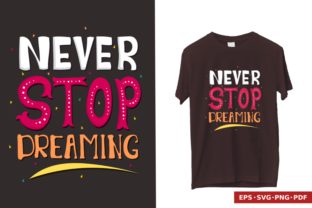
The moment you load the file into your embroidery software, the first thing that strikes you is the flow. Hand lettering can be tricky because the baseline often wavers, which looks charming on paper but can distort terribly if the digitization is sloppy. In this case, the visual personality of Never Stop Dreaming feels grounded yet whimsical. It creates an immediate mood of optimism without feeling childish. The layout balances negative space effectively, giving the eye room to breathe—a critical factor when converting a static Graphics element into a dynamic machine embroidery design.
I immediately envisioned this not just as a simple text overlay, but as a central focal point for a boutique brand. The curves in the letters suggest a fluid motion that pairs beautifully with soft, organic textures. It feels like a design meant for slow living, mindfulness, or creative entrepreneurship. It does not scream; it whispers confidence. For an Etsy seller or small shop owner, this subtlety is gold. It allows the product itself—the quality of the garment or the tote—to shine while the design adds emotional value.
Real-World Application: From Screen to Stitch
Let’s talk about where this design actually lives in the wild. I recently considered using Never Stop Dreaming for a custom embroidered tote bag project intended for a local craft fair. The goal was to create a high-end, reusable accessory that felt personal. When I mocked up the design on a heavy canvas bag, the hand-lettered style complemented the rugged texture of the fabric perfectly. It didn’t fight against the material; it enhanced it.
This design is incredibly versatile across various embroidery project types. It works exceptionally well for:
- Custom Apparel: On a crewneck sweatshirt or a high-quality t-shirt, the quote serves as a statement piece. It transforms a basic garment into a wearable manifesto.
- Baby Embroidery: The gentle curves make it suitable for baby clothes, though care must be taken with placement. A tiny heart or pocket area on a onesie becomes a keepsake item.
- Home Decor: As wall art or on pillow covers, the design elevates the perceived value of the item. It fits seamlessly into nursery decor or bohemian-style living rooms.
- Kitchen Textiles: An apron or tea towel featuring this motif adds a touch of warmth to daily routines, making it a perfect gift for housewarmings.
For commercial embroidery projects, the versatility extends to branded merchandise. Imagine a coffee shop logo paired with this phrase on a ceramic mug sleeve or a linen napkin. It signals a brand that cares about aesthetics and inspiration. For digital product sellers, creating printable mockups of this design on various backgrounds can drive significant engagement, as buyers love to visualize how a design will look in their actual homes or wardrobes.
The Cap Challenge
One specific use case that tests any design is the cap. Embroidering on a curved surface like a baseball hat requires precision. While Never Stop Dreaming has a strong presence, its width needs to be scaled appropriately for a standard six-panel cap front. If the letters are too wide, they will crowd the button or clash with the side seams. However, if centered correctly, the hand-lettered style softens the rigidity of the cap structure, making it a popular choice for youth sports teams or casual streetwear brands.
Where to Exercise Caution
No design is flawless, and knowing where Never Stop Dreaming might struggle is just as important as knowing where it shines. There are specific scenarios where this design could fail if not handled with expert-level skill.
First, avoid placing this on highly textured fabrics like bouclé wool or thick chenille unless you have extensive experience. The details of the hand lettering may get lost in the weave, resulting in a muddy appearance. Similarly, thin or stretchy fabrics pose a risk. Without proper stabilizer support, the tension of the stitches can pucker the fabric, distorting the beautiful curves of the letters.
Dark fabrics require careful thread color selection. If you choose a low-contrast thread, the design will disappear. Conversely, overly bright threads on dark backgrounds can sometimes look harsh if the font weight is light. I recommend testing this design in black and white mockups first to ensure legibility across different lighting conditions.
Additionally, be wary of small hoop sizes. If you attempt to digitize this for a very small area, such as a tiny embroidered patch or a delicate jewelry pouch, the fine details of the hand lettering may merge together. Satin stitch edges might become jagged if the pathing is not optimized for small scales. Always inspect small details closely before running a production batch.
Practical Designer Notes for Success
To get the most out of this machine embroidery design, follow these practical steps. First, always test the design on scrap fabric that matches the weight and texture of your final product. This helps you identify potential issues with stitch density or tension before you commit to a finished product.
Check your thread colors meticulously. Since this is a hand-lettered design, the contrast between the thread and the fabric is paramount. Consider using a slightly heavier thread weight to add dimension, especially if you are aiming for a rustic or handmade aesthetic. Review the stitch type distribution; ensure that the fill stitch areas are balanced with running stitch or satin stitch accents to prevent bulkiness.
If you are planning to sell finished items, confirm the licensing terms explicitly. Does the license allow for commercial use? Can you sell unlimited quantities? These questions are vital for any craft business owner. Furthermore, consider the packaging. A product featuring Never Stop Dreaming benefits from presentation that reinforces its inspirational message. Include a care card that advises gentle washing to preserve the integrity of the embroidery.
Final Verdict
Never Stop Dreaming is more than just a collection of pixels; it is a versatile tool for designers who understand the nuances of textile art. It offers a blend of modern typography and traditional craftsmanship that appeals to a broad audience. Whether you are creating a personalized gift for a friend or building a brand identity for your small shop, this design provides a solid foundation for creativity.
It performs best when treated with respect—proper stabilization, correct hoop sizing, and thoughtful fabric choices. Avoid rushing the process. Take the time to preview the design, check the alignment, and imagine the customer’s reaction. When executed well, the result is a finished product that feels authentic, valuable, and deeply personal. For anyone looking to expand their portfolio of design assets, this is a worthy addition that bridges the gap between digital graphics and tangible, wearable art.