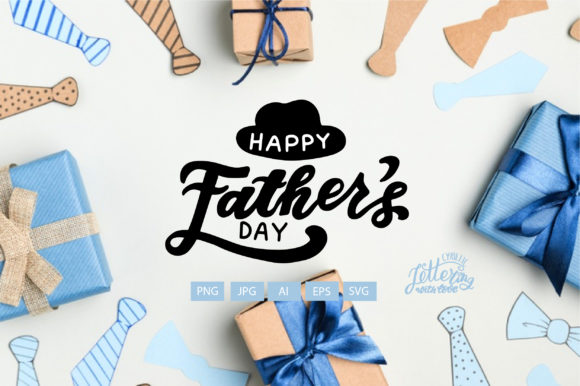
Happy Father’s Day Lettering with Hat Review
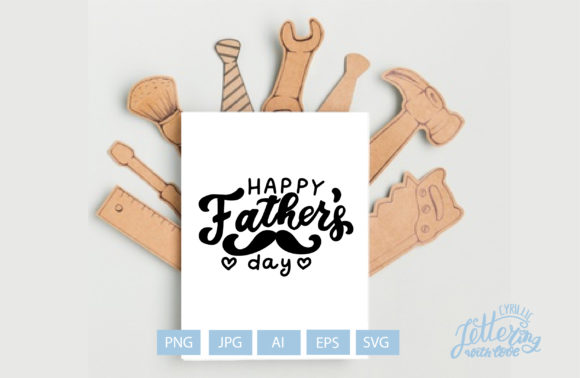
As a designer who spends more time looking at stitch density than social media feeds, I approach every new digital asset with a mix of curiosity and skepticism. The market is saturated with holiday graphics, so finding something that translates well from a screen to the needle plate is rare. Recently, I pulled Happy Father s Day Lettering with Hat into my workflow to see if it had the legs for real-world application. This isn’t just another clip-art file; it is an Illustrations category entry that leans heavily into the Graphics space, offering a distinct visual personality that demands careful evaluation before we commit thread to fabric.
First Impressions: Mood and Visual Personality
The moment you open this design file, the mood is set. It is not stiff or corporate. Instead, it carries the relaxed, celebratory energy of a weekend brunch or a casual backyard barbecue. The core element—a black man’s hat—combined with brush calligraphy lettering creates a vibe that is both stylish and deeply personal. For an embroidery project, this distinction matters immensely. Stiff block letters often feel cold on a garment, but the flowing nature of brush script invites the eye to linger.
From a layout perspective, the balance between the text and the graphic icon is thoughtful. The hat acts as an anchor, giving the lettering a place to rest rather than floating in empty space. This makes it highly versatile. Whether you are aiming for a high-end boutique look or a heartfelt handmade gift, the design has enough character to stand alone without needing excessive embellishment. It feels like a custom apparel piece that belongs on a premium cotton tee or a structured cap, rather than a cheap promotional item.
Real-World Application: Where Does It Shine?
I tested this concept across several common product categories to see where Happy Father s Day Lettering with Hat truly excels. The first scenario that came to mind was a custom embroidered tote bag. Tote bags are a staple for Etsy sellers and craft fair vendors, especially during Q3 holiday seasons. Placing this design on a canvas tote immediately elevates the item from a generic bag to a statement piece. The contrast of the dark hat against a neutral linen or denim background would pop beautifully, creating a strong visual hook for potential buyers.
Another strong use case is sweatshirt embroidery. Father’s Day often falls in June, but many customers buy gifts early. A soft, heathered gray sweatshirt featuring this design offers a comfortable, everyday aesthetic. The lettering suggests a lifestyle brand feel, which resonates well with modern consumers who value authenticity over traditional holiday clichés. Furthermore, for those making personalized gifts, this design works exceptionally well on baby onesies or burp cloths. Imagine a grandmother gifting a newborn with a mini version of this design; the emotional value is high, and the design is simple enough to read clearly even on small garments.
In the realm of home decor, consider a kitchen towel or apron. These items are practical yet sentimental. The durability required for a kitchen environment means the design needs to hold up to washing, but the visual appeal remains strong. It transforms a utilitarian object into a keepsake. For commercial embroidery businesses, these are high-margin items that move quickly during the holiday rush.
Technical Considerations and Stitch Performance
While the visual appeal is clear, the devil is always in the details when it comes to digitizing and stitching. The brush calligraphy style relies heavily on smooth curves and varying line weights. In an actual machine embroidery design, this requires precise digitizing to avoid puckering. If the stitch density is too high, the fabric will pucker; if it is too low, the coverage may look patchy, ruining the elegant flow of the script.
The hat element likely utilizes a combination of fill stitch for the body and perhaps a satin stitch for any trim or outline. Designers need to pay close attention to how these stitches interact. On textured fabrics, such as heavy canvas or waffle-knit towels, the definition of the smaller details in the lettering might get lost. This is why testing on scrap fabric is non-negotiable. You must verify that the thread colors provide sufficient contrast against your chosen material. A light beige thread on a cream shirt will disappear, whereas a navy or charcoal thread will define the shapes sharply.
Additionally, the curvature of the hat brim introduces a challenge for flat embroidery machines. If you are attempting to stitch this onto a curved surface like a baseball cap, you will need a specialized cap hoop and potentially some manual manipulation of the fabric tension. For beginners, sticking to flat surfaces like tote bags or pillow covers is safer to ensure a professional finish.
Where to Use Caution
Not every surface is created equal. There are specific scenarios where Happy Father s Day Lettering with Hat might struggle:
- Small Hoop Sizes: If you attempt to reduce this design significantly for a tiny accessory, the fine details of the brush strokes may become indistinct blobs of thread. Always check the minimum recommended hoop size.
- Stretchy Fabrics: Jersey knits or spandex blends can distort under the tension of dense stitching. Without proper stabilizer support, the lettering may warp after washing.
- Dense Stitch Areas: If the original digitization packs the fill stitches too tightly, the resulting fabric will become stiff and board-like. This reduces the comfort of the finished product, which is critical for wearable items like t-shirts.
- Dark Fabrics: While dark threads work well on light backgrounds, using light threads on dark fabric requires a higher stitch count to achieve opacity, which increases the weight of the embroidery.
Impact on Brand and Customer Trust
For small business owners and craft business operators, the quality of your design assets directly impacts customer trust. A poorly executed embroidery job signals carelessness, whereas a clean, well-balanced design like this one signals professionalism. When a customer receives a personalized gift with crisp lettering and a properly aligned graphic, they are more likely to leave positive reviews and return for future purchases.
This design also supports brand consistency. If your shop focuses on modern, artistic, and culturally aware products, this asset aligns perfectly with that identity. It moves away from generic "Dad" text and offers a more nuanced, stylish representation of fatherhood. This level of thoughtfulness is what drives engagement on platforms like Etsy, where shoppers are looking for unique, meaningful items rather than mass-produced goods.
Practical Designer Notes Before You Stitch
Before you load this file into your machine or send it to production, follow these steps to ensure success:
- Test on Scrap Fabric: Never run a full production batch without a test stitch-out. Check for thread breaks, tension issues, and overall clarity.
- Review Stitch Density: Zoom in on the digitization. Are there unnecessary jumps? Is the underlay sufficient to stabilize the fabric?
- Check Licensing: Confirm whether this digital embroidery file allows for commercial use. Selling finished products requires different rights than personal use.
- Use Proper Stabilizer: Depending on your fabric, you may need cut-away or tear-away stabilizer to prevent distortion.
- Mockup in Black and White: Sometimes color distracts us from structural flaws. View the design in grayscale to ensure the composition holds up without the aid of vibrant thread colors.
Ultimately, Happy Father s Day Lettering with Hat is a strong candidate for designers looking to add variety to their holiday collections. It bridges the gap between casual fun and sophisticated style, making it suitable for a wide range of products. By paying attention to the technical nuances of digitization and fabric choice, you can turn this graphic asset into a profitable, beautiful finished product that customers will cherish.